Don't Buy the Samsung Galaxy Book 6 Pro Until You Read This Full Analysis
The Samsung Galaxy Book 6 Pro arrives with the kind of premium appeal that immediately attracts attention in the laptops category. It looks sleek, carries a high-end AMOLED display, promises all-day mobility, and leans heavily into Samsung’s broader device ecosystem. On paper, it appears to be exactly what many buyers want: a thin Windows laptop that feels modern, travels well, and handles work, entertainment, and everyday multitasking without fuss.
But that first impression does not tell the whole story. Premium laptops are no longer judged by looks alone. Buyers now care about battery life under real workloads, keyboard comfort during long workdays, port selection for actual desk setups, repairability, noise, thermals, display quality in bright rooms, and whether the asking price truly makes sense compared with other premium ultraportables. The Galaxy Book 6 Pro enters a crowded field where expectations are high and compromises become more noticeable the more expensive a laptop gets.
This analysis takes a closer look at what the Galaxy Book 6 Pro gets right, where it may disappoint, and who should think twice before spending flagship-level money on it. For some users, it could be an excellent fit. For others, especially those shopping carefully for productivity, portability, or value, it may be a laptop that looks more convincing in a showroom than it does after several months of ownership.
What the Samsung Galaxy Book 6 Pro Is Trying to Be
The Galaxy Book 6 Pro is positioned as a premium thin-and-light Windows laptop for users who want a polished design, a vivid touchscreen display, and enough performance for modern office work, creative tasks, media consumption, and daily multitasking. Depending on configuration and size, it aims to serve professionals, students, remote workers, frequent travelers, and existing Samsung phone or tablet owners who value cross-device convenience.
Its appeal centers on a few key promises:
- Portable premium design that is easy to carry every day
- High-resolution AMOLED screen with strong contrast and color
- Modern Intel Core Ultra platform for AI-assisted productivity and efficiency
- Samsung ecosystem features for users already invested in Galaxy devices
- Good battery life potential in a lightweight chassis
That positioning makes sense. The real question is whether Samsung has balanced those strengths well enough to justify the price and whether the compromises align with what laptop buyers actually need.
Design and Build Quality: Premium, Polished, and Predictable
There is little doubt that the Galaxy Book 6 Pro looks and feels like a premium laptop. Samsung continues to favor a clean aluminum design language that fits neatly into the modern ultrabook market. It is slim, understated, and professional enough for office environments, client meetings, campus use, or travel. Buyers who care about aesthetics will likely find the machine appealing immediately.
For daily use, that slimness matters. A lightweight 14-inch laptop slips easily into a backpack or tote, while the 16-inch version offers a larger canvas without becoming excessively bulky by premium laptop standards. Commuters, students walking across campus, and hybrid workers moving between home and office will appreciate the portability.
However, thin-and-light design always comes with trade-offs. Ultra-slim laptops often leave less room for thermal headroom, richer port selection, deeper key travel, and easier upgrade access. In the case of the Galaxy Book 6 Pro, buyers should admire the design but not let that become the only deciding factor. Premium finish is nice; premium practicality matters more over time.
Display Quality: One of the Biggest Reasons to Consider It
If there is one area where Samsung often has a clear advantage, it is display technology. The Galaxy Book 6 Pro’s AMOLED panel is arguably its headline feature. A high-resolution touchscreen with deep blacks, rich contrast, punchy colors, and a fast refresh rate gives the laptop an immediately premium feel whether it is being used for web browsing, spreadsheets, streaming, photo viewing, or general productivity.
For real-world users, this matters in several ways:
- Office users benefit from sharp text and a more pleasant viewing experience during long sessions
- Students get a versatile screen for notes, research, and entertainment
- Creative hobbyists may appreciate the vivid color output for photo review and light design work
- Travelers often enjoy better media playback on flights or in hotels
The high refresh rate also helps scrolling and general interface movement feel smoother. That does not transform the laptop into a gaming machine, but it does make everyday interactions feel more refined.
Still, buyers should be realistic. A beautiful AMOLED panel does not automatically make a laptop the best choice for every person. Some users prefer matte screens with less reflectivity in harsh lighting, especially if they work near windows, outdoors, or under bright office lights. Others may be sensitive to oversaturated colors or simply care more about endurance, ergonomics, and connectivity than visual drama. The screen is a major strength, but it should not overshadow the rest of the package.
Performance: Strong for Productivity, Less Convincing as a “Do Everything” Machine
The Galaxy Book 6 Pro uses Intel’s modern Core Ultra platform, which gives it enough processing power for the kinds of tasks most premium ultraportable buyers actually perform. That includes large browser sessions, office applications, video calls, light photo editing, multitasking across multiple monitors, cloud-based work, and moderate content creation.
In practical terms, this means the laptop should satisfy users who spend their days in:
- Microsoft Office or Google Workspace
- Slack, Teams, Zoom, or Meet
- Dozens of browser tabs
- Streaming and media playback
- Light Adobe or similar creative applications
Where buyers should pause is in assuming “Pro” means workstation-class capability. It does not. This is still a thin-and-light laptop with integrated graphics and thermal constraints typical of the category. It is not the right choice for users who regularly do heavy 4K video editing, advanced 3D work, serious local AI experimentation, demanding software builds, or sustained performance-intensive workloads for hours at a time.
Shop the latest Laptops & Computers picks on Amazon.
See Deals →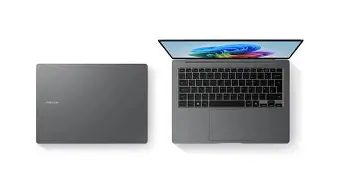
That distinction matters because many shoppers stretch their budgets on premium ultrabooks expecting maximum versatility. The Galaxy Book 6 Pro is likely best understood as a luxury productivity ultrabook, not a creator powerhouse and not a gaming-first machine.
Battery Life and Mobility: Promising, but Buyers Should Think in Real Use, Not Marketing Claims
Battery life is one of the biggest decision points in this category. A premium ultraportable should comfortably handle a typical workday without forcing the charger into every bag. Samsung’s battery claims and efficient platform suggest strong endurance potential, especially for lighter workloads like document editing, web browsing, email, video streaming, and meetings.
But real-world battery life depends heavily on how the laptop is used. A bright AMOLED panel, a higher refresh rate, many background apps, cloud sync tools, video conferencing, and constant multitasking can all reduce runtime significantly. Buyers who work primarily in Chrome with many tabs, spend hours on calls, or keep brightness high should expect results that look much more ordinary than the most optimistic marketing figures.
That does not mean the Galaxy Book 6 Pro has poor battery life. It means buyers should ask the right question: Will it last through their specific day? For a student moving between lectures, a consultant flying between meetings, or a remote worker who likes to move around the house without reaching for a charger, the answer may still be yes. But those whose days involve heavy multitasking and frequent video calls should not assume miracle-level endurance.
Keyboard, Trackpad, and Everyday Comfort
Many premium laptops win attention with screen quality and industrial design, then quietly lose points on the things users touch all day. Keyboard and trackpad quality matter enormously over the long term.
For buyers who write reports, respond to emails, code, or take notes for hours, the ideal keyboard offers firm feedback, stable keys, and enough travel to avoid fatigue. Thin laptops sometimes sacrifice depth to keep the chassis sleek. If the Galaxy Book 6 Pro follows that familiar ultraportable pattern, some users will love the crisp, low-profile feel while others may find it less forgiving during long typing sessions than a slightly thicker business laptop.
The trackpad experience is equally important. Premium buyers expect smooth gliding, reliable palm rejection, accurate gestures, and a click mechanism that feels solid rather than shallow or noisy. On a device in this price range, “good enough” is not really good enough.
For everyday use cases like working from coffee shops, editing documents in transit, or balancing the laptop on a couch during evening browsing, input comfort b…
Ports and Connectivity: Better Than Some Rivals, Still Not Ideal for Everyone
The Galaxy Book 6 Pro offers a reasonably modern port mix for a thin premium laptop, including Thunderbolt connectivity, USB-A, HDMI, and a headphone jack. That is better than some ultraportables that force nearly everything through USB-C dongles.
For many buyers, this will be enough. A remote worker can connect to an external display, plug in a mouse receiver, and charge through USB-C. A student can attach storage or accessories without always carrying adapters. A traveler can connect to hotel TVs or projectors more easily if HDMI is available.
Still, some omissions matter. The lack of an SD card slot on the Pro model could frustrate photographers, video creators, and anyone frequently moving media from cameras. Limited native ports also remain a problem for desk setups involving Ethernet, multiple peripherals, storage drives, and monitor chains. Users with complex setups should assume a dock may still be part of the total cost.
Samsung Ecosystem Advantages: A Selling Point for Some, Irrelevant for Others
Samsung’s broader ecosystem is one of the Galaxy Book 6 Pro’s clearest differentiators. Buyers who already own a Galaxy phone, Galaxy tablet, or Samsung earbuds may benefit from smoother file sharing, device continuity, messaging integration, hotspot convenience, and broader cross-device workflows.
For some users, that genuinely improves daily life. Being able to move quickly between phone and laptop, copy content across devices, or handle mobile tasks from a PC can make the laptop feel more seamless than a similarly priced Windows rival.
But ecosystem value is highly personal. Buyers who use an iPhone, mix brands heavily, or simply do not care about connected-device features may gain little from this advantage. In that case, Samsung’s ecosystem pitch does not justify a premium. A laptop should stand on its own merits first.
Pros and Cons
Pros
- Excellent AMOLED display with strong contrast, vivid color, and premium visual impact
- Slim, lightweight design that travels well and feels high-end
- Strong everyday productivity performance for office work, study, and multitasking
- Modern connectivity with Thunderbolt support and useful mainstream ports
- Potentially solid battery life for moderate real-world workloads
- Useful Samsung ecosystem integration for existing Galaxy users
Cons
- Premium price may be difficult to justify against competing ultrabooks
- Not ideal for heavy creator workloads or sustained demanding performance
- Thin chassis trade-offs may affect thermals, keyboard depth, and upgrade flexibility
- No built-in SD card slot on the Pro model, which limits convenience for some creators
- AMOLED advantages may be less meaningful for buyers who prioritize battery, matte visibility, or value
- Ecosystem benefits are uneven and matter most to people already using Samsung devices
How It Compares to What Buyers Usually Cross-Shop
The Galaxy Book 6 Pro competes in a category filled with premium Windows ultrabooks and a few obvious alternatives. Buyers typically compare it against laptops that emphasize one or more of the following: battery life, OLED quality, business usability, value, creator performance, or ecosystem convenience.
| Category | Samsung Galaxy Book 6 Pro | Typical Premium Ultrabook Rival | What It Means for Buyers |
|---|---|---|---|
| Display | Often a standout feature thanks to AMOLED quality | May offer IPS or OLED depending on model | Samsung is especially attractive to buyers who prioritize screen quality above all else |
| Portability | Very strong for a premium productivity laptop | Usually competitive in the same class | Travelers and students should find it easy to carry daily |
| Performance | Strong for mainstream productivity and light creative work | Similar unless stepping up to discrete graphics models | Heavy creators may be better served elsewhere |
| Battery | Promising, but workload-dependent | Varies widely by display type and tuning | Real battery expectations matter more than headline claims |
| Ports | Decent selection for a thin laptop | Some rivals offer more, some offer less | Dock users should still plan carefully |
| Ecosystem | Strong if paired with Samsung devices | Usually weaker or brand-specific | Galaxy phone owners may get more practical value from it |
| Value | Can feel expensive for the hardware class | Often competitive, sometimes better configured for the money | Price-sensitive buyers should compare closely before committing |
Who Should Buy the Samsung Galaxy Book 6 Pro
The Galaxy Book 6 Pro makes the most sense for buyers who fit a fairly specific profile. It is best for someone who wants a premium Windows laptop primarily for productivity, media, travel, and general everyday use, while also placing a high value on display quality and design.
Find top-rated Laptops & Computers products at great prices.
View Offers →It is a stronger fit for:
- Professionals who spend most of the day in office apps, meetings, and web tools
- Students who want one stylish laptop for class, study, and entertainment
- Frequent travelers who prioritize thinness and a bright, high-quality display
- Samsung phone or tablet owners who will actually use the ecosystem features
Who Should Wait, Skip, or Buy Something Else
The “don’t buy until you read this” warning applies most strongly to buyers who are at risk of paying for the wrong strengths.
It may not be the right choice for:
- Value-focused shoppers who want the best performance-per-dollar
- Creators who need more graphics power or sustained thermal performance
- Writers and heavy typists who care more about keyboard comfort than thinness
- Photographers and media users who want integrated card readers and easier workflow flexibility
- Mixed-ecosystem users who will not benefit much from Samsung’s software extras
These buyers should compare alternatives carefully before deciding. In many cases, a slightly less flashy laptop may better match real needs and hold up better as a long-term work tool.
Buying Guide: What to Check Before Spending the Money
Before buying the Samsung Galaxy Book 6 Pro, shoppers should think beyond the spec sheet and ask a few practical questions.
1. Is the display the main reason for interest?
If the answer is yes, Samsung has a compelling argument. If not, the laptop’s premium price becomes harder to defend. Buyers should be sure they are not paying extra for screen quality they will rarely notice.
2. What does a normal day of use actually look like?
A person working in documents, email, and browser tabs has different needs from someone editing video or running heavier software. The Galaxy Book 6 Pro is strongest in mainstream productivity, not maximum compute performance.
3. Will adapters or a dock become necessary?
Anyone using wired networking, camera media, multiple accessories, or a complex desk setup should factor in extra accessory costs and daily inconvenience.
4. How important is keyboard feel?
Shoppers who type constantly should not overlook hands-on comfort. A premium laptop can still be the wrong tool if typing on it feels tiring after an hour.
5. Is Samsung ecosystem integration genuinely useful?
For some buyers, yes. For others, it is marketing filler. If the buyer does not already use Samsung devices heavily, this benefit may not move the needle.
6. Is the configuration priced competitively?
Premium laptops become much easier to recommend when discounted or bundled sensibly. At full price, buyers should compare RAM, storage, display quality, warranty terms, and total usability against rivals in the same bracket.
Final Verdict
The Samsung Galaxy Book 6 Pro is not a bad laptop. In fact, it looks like a very good premium ultraportable with a standout display, refined portability, modern productivity performance, and meaningful appeal for people already inside the Samsung ecosystem. For the right buyer, it could be one of the more attractive Windows laptops in its class.
But it is also the kind of machine that can be easy to overbuy. Its strongest selling points are visual and lifestyle-oriented: design, display, thinness, and ecosystem polish. Those matter, but they do not automatically make it the smartest purchase. Buyers who care more about raw value, heavy-duty performance, richer connectivity, or typing-first ergonomics may find that the Galaxy Book 6 Pro asks for premium money while prioritizing the wrong things for their needs.
That is why the safest advice is simple: admire it, compare it, and only buy it if its specific strengths line up with how it will actually be used. For display-first productivity users, it may be an excellent fit. For everyone else, caution is warranted before paying flagship prices for what is ultimately a stylish ultrabook with clear trade-offs.