The Truth About the Samsung The Premiere LSP7T: Pros, Cons, and Verdict
For decades, the dream of a true cinema experience at home meant dedicating a windowless room to a complex array of ceiling mounts, long cable runs, and high-gain screens. However, the landscape of home entertainment has shifted dramatically with the advent of Ultra Short Throw (UST) projection technology. Leading this charge is Samsung with "The Premiere" series. Specifically, the LSP7T—the more accessible sibling to the flagship triple-laser LSP9T—promises to deliver a massive 120-inch screen from just inches away from the wall. This article provides a comprehensive analysis of whether this lifestyle projector truly lives up to the hype or if it is a compromise for those unwilling to commit to a traditional theater build.
Understanding the Ultra Short Throw Phenomenon
To understand the value proposition of the LSP7T, one must first understand what it is trying to replace. Traditional projectors require "throw distance," meaning they must be placed several feet away from the screen. This often leads to shadows when someone walks in front of the lens and requires professional installation for ceiling mounts. The LSP7T is designed to sit on a media console, much like a traditional television, yet it can project an image up to 120 inches diagonally. It is a device designed for the "living room theater" rather than the "basement cave."
Design and Aesthetic Integration
Samsung has leaned heavily into its lifestyle design philosophy with the LSP7T. Unlike the bulky, industrial-looking projectors of the past, this unit features a soft, rounded chassis wrapped in a premium gray Kvadrat fabric. It is designed to blend into modern home decor. The compact footprint ensures it doesn't dominate the furniture it sits upon. For many buyers, the aesthetic of the hardware is almost as important as the image quality, as this device lives in a visible area of the home 24/7.
Technical Specifications and Performance Analysis
Under the hood, the LSP7T utilizes a single-laser DLP (Digital Light Processing) system. It offers a 4K UHD resolution, which is achieved through XPR pixel-shifting technology. While some purists argue over "native" versus "shifted" 4K, the reality for the human eye at a 120-inch scale is a remarkably sharp and detailed image. The laser light source is rated for 2,200 ANSI lumens, which is significant for a projector but comes with caveats when compared to a high-end LED or OLED television.
Picture Quality and Color Accuracy
One of the standout features of the LSP7T is its color reproduction. Projectors often struggle with the DCI-P3 color gamut, but the laser light source here provides a vibrancy that lamp-based projectors cannot match. The unit supports HDR10+, a rarity in the projector world, which allows for scene-by-scene metadata optimization. In a darkened room, the contrast is impressive for a DLP unit, though it does not reach the deep blacks found in LCoS (Liquid Crystal on Silicon) projectors or OLED TVs.
The "Rainbow Effect" Concern
As a single-chip DLP projector, the LSP7T uses a color wheel. For a small percentage of the population who are sensitive to it, this can result in the "rainbow effect" (RBE)—brief flashes of red, green, and blue in high-contrast scenes or when moving one's eyes quickly across the screen. Most users will not notice this, but it is a factor for those with specific visual sensitivities. The higher-end LSP9T avoids this by using three separate lasers, but the LSP7T manages it well compared to cheaper competitors.
Gaming Capabilities
While not marketed specifically as a gaming projector, the LSP7T holds its own. It features a Game Mode that reduces input lag to roughly 50ms. While this isn't fast enough for competitive eSports, it is perfectly adequate for casual gaming, RPGs, and sports titles. The sheer scale of playing a game like Forza or The Witcher on a 120-inch screen provides an immersion that no 65-inch TV can replicate.
Smart Features and Ecosystem
Perhaps the biggest advantage Samsung has over traditional projector brands like Optoma or BenQ is its Tizen operating system. The LSP7T runs the same smart platform found on Samsung's high-end QLED TVs. This means users get native access to Netflix, Amazon Prime Video, Disney+, and YouTube without needing an external streaming stick. It also supports voice assistants like Alexa and Bixby, along with Apple AirPlay 2. For the average consumer, this "all-in-one" functionality is a massive selling point.
Audio Performance: Beyond the Basics
Most projectors have speakers that are an afterthought—tinny, weak, and largely useless. The LSP7T, however, features a 2.2-channel 30W audio system built directly into the front. It produces a surprisingly wide soundstage with clear dialogue. While it won't replace a dedicated 5.1.2 Dolby Atmos surround system, it is more than sufficient for everyday viewing. For many users in apartments or smaller living rooms, the integrated audio simplifies the setup significantly.
Shop the latest Electronics picks on Amazon.
Browse Now →Pros and Cons
- Pro: Ultra-Short Throw Convenience - Can create a 120-inch image while sitting only 16 inches from the wall, eliminating the need for complex mounting.
- Pro: Integrated Smart TV Platform - The Tizen OS is fast, reliable, and includes all major streaming apps natively.
- Pro: Laser Longevity - The light source is rated for up to 20,000 hours, meaning no expensive lamp replacements every few years.
- Pro: Sleek Industrial Design - The fabric finish and white chassis look like luxury furniture rather than a piece of tech gear.
- Pro: Strong Color Performance - Excellent coverage of the DCI-P3 gamut brings movies to life with cinematic vividness.
- Con: Ambient Light Challenges - Despite the 2,200 lumens, the image can look washed out in bright rooms without an ALR (Ambient Light Rejecting) screen.
- Con: Contrast Levels - Black levels are "deep gray" rather than "true black," which is common for DLP technology.
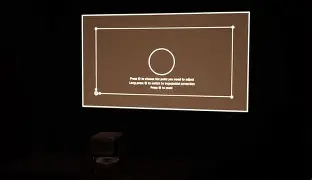
- Con: Setup Precision - Because it is a UST, even a millimeter of movement at the base results in a significant shift on the wall, making initial alignment tedious.
- Con: Limited HDMI 2.1 - Lack of 4K/120Hz support may disappoint owners of PlayStation 5 or Xbox Series X looking for the highest frame rates.
Detailed Comparison: LSP7T vs. Alternatives
To help potential buyers understand where the LSP7T sits in the current market, the following table compares it to its primary competition: its own "big brother" (LSP9T) and a typical high-end 85-inch LED TV.
| Feature | Samsung LSP7T | Samsung LSP9T | High-End 85" LED TV |
|---|---|---|---|
| Max Screen Size | 120 Inches | 130 Inches | Fixed (85") |
| Light Source | Single Laser | Triple Laser | LED Backlight |
| Brightness | 2,200 ANSI Lumens | 2,800 ANSI Lumens | High (Nits) |
| Color Space | DCI-P3 | BT.2020 | DCI-P3 |
| Audio | 30W (2.2 ch) | 40W (4.2 ch) | Variable (Internal) |
| Best Environment | Light-Controlled Room | Living Room (with ALR) | Any Brightness |
The Importance of the Screen: A Mandatory Investment?
One of the most common mistakes buyers make with the LSP7T is projecting directly onto a white wall. While the projector is capable of this, a wall is rarely perfectly flat. Because UST projectors hit the surface at a steep upward angle, any slight bump or texture on the wall will cast a distracting shadow. Furthermore, a standard wall does nothing to manage ambient light.
To truly get the "Truth" out of the LSP7T, an Ambient Light Rejecting (ALR) screen specifically designed for Ultra Short Throw is highly recommended. These screens use a micro-serriform structure to reflect the projector's light (from below) toward the viewer while absorbing overhead light from windows or lamps. Adding an ALR screen can make the LSP7T look twice as bright and significantly improve the perceived contrast.
Real-World Use Cases
Who is the LSP7T actually for? Based on market data and user feedback, three primary groups emerge:…The Apartment Cinema Enthusiast
For someone living in a space where they cannot drill holes in the ceiling or where a 120-inch TV would be impossible to fit through the door or up the stairs, the LSP7T is a godsend. It provides the scale of a theater without the permanent alterations to the structure.
The "Clean Aesthetic" Homeowner
Many people hate the look of a giant black rectangle (a dormant TV) on their wall. Because the LSP7T can be paired with a motorized rising screen, the entire theater system can disappear when not in use. Even without a hidden screen, the projector itself looks more like a soundbar or a piece of art than a television.
Social Sports Viewers
The scale of a 120-inch screen is perfect for hosting game days. The wide viewing angles of a projected image mean that everyone on the sectional sofa gets a great view, unlike some LED TVs that lose color accuracy when viewed from the side.
Buying Guide: Key Considerations Before Purchase
Before investing in the Samsung Premiere LSP7T, consider the following environmental factors:
Find top-rated Electronics products at great prices.
Browse Now →1. Wall Space and Furniture Height
To get a 120-inch image, the projector needs to be about 16 inches away from the wall and sit roughly 14-16 inches below the bottom of the screen area. You must ensure your media console is deep enough and low enough to accommodate this geometry. If your console is too high, the 120-inch image will end up touching the ceiling.
2. Lighting Control
If you plan to use this as your primary TV during the day in a room with many windows, you will need blackout curtains or a high-quality ALR screen. This is not a "plug and play" replacement for a TV in a sun-drenched room without some environmental adjustments.
3. Content Habits
If you primarily watch news and daytime talk shows, a standard TV might be more convenient. However, if your viewing habits lean toward epic films, prestige TV series (like Dune or The Mandalorian), and live sports, the immersion factor of the LSP7T justifies the setup effort.
Addressing Common Criticisms
Critics often point to the price-to-performance ratio of the LSP7T compared to high-end TVs. It is true that for the same price, you could buy a stunning 75-inch or 85-inch Mini-LED TV with better brightness and HDR performance. However, this criticism misses the point of scale. The jump from 85 inches to 120 inches is not just a 35-inch difference; it is nearly double the total screen area. The "cinema feel" is achieved through size, and in that arena, the LSP7T wins decisively.
Another criticism is the fan noise. All projectors require cooling for their light sources. The LSP7T produces about 32 decibels of noise in its standard mode. For most, this is a soft hum that is easily masked by the movie's audio. In quiet scenes, you might hear it, but Samsung has done a commendable job of keeping the pitch low and non-intrusive.
The Verdict: Is it Worth It?
The Samsung The Premiere LSP7T is a sophisticated piece of technology that successfully bridges the gap between traditional projection and modern smart TVs. It is not a perfect device; it requires a specific environment to shine, and it demands an additional investment in a quality screen to reach its full potential. However, its strengths—beautiful design, an industry-leading smart interface, and impressive color accuracy—make it one of the most compelling home entertainment products on the market.
If you are looking for the absolute best black levels and have a dedicated dark room, you might look toward a traditional long-throw projector. If you want the brightest possible image for daytime viewing and don't care about size, a large LED TV is the safer bet. But if you want a massive, 120-inch cinematic experience that can live in your beautiful living room and work just like a smart TV, the LSP7T is a triumph of engineering. It manages to make the dream of a "home cinema" accessible, stylish, and remarkably simple to enjoy on a nightly basis.